18+ Elephant Ear Sap Plant
Web A mature Elephant Ears plant is a head-turner thanks to its leafy good looks. Web Are elephant ears poisonous to touch.
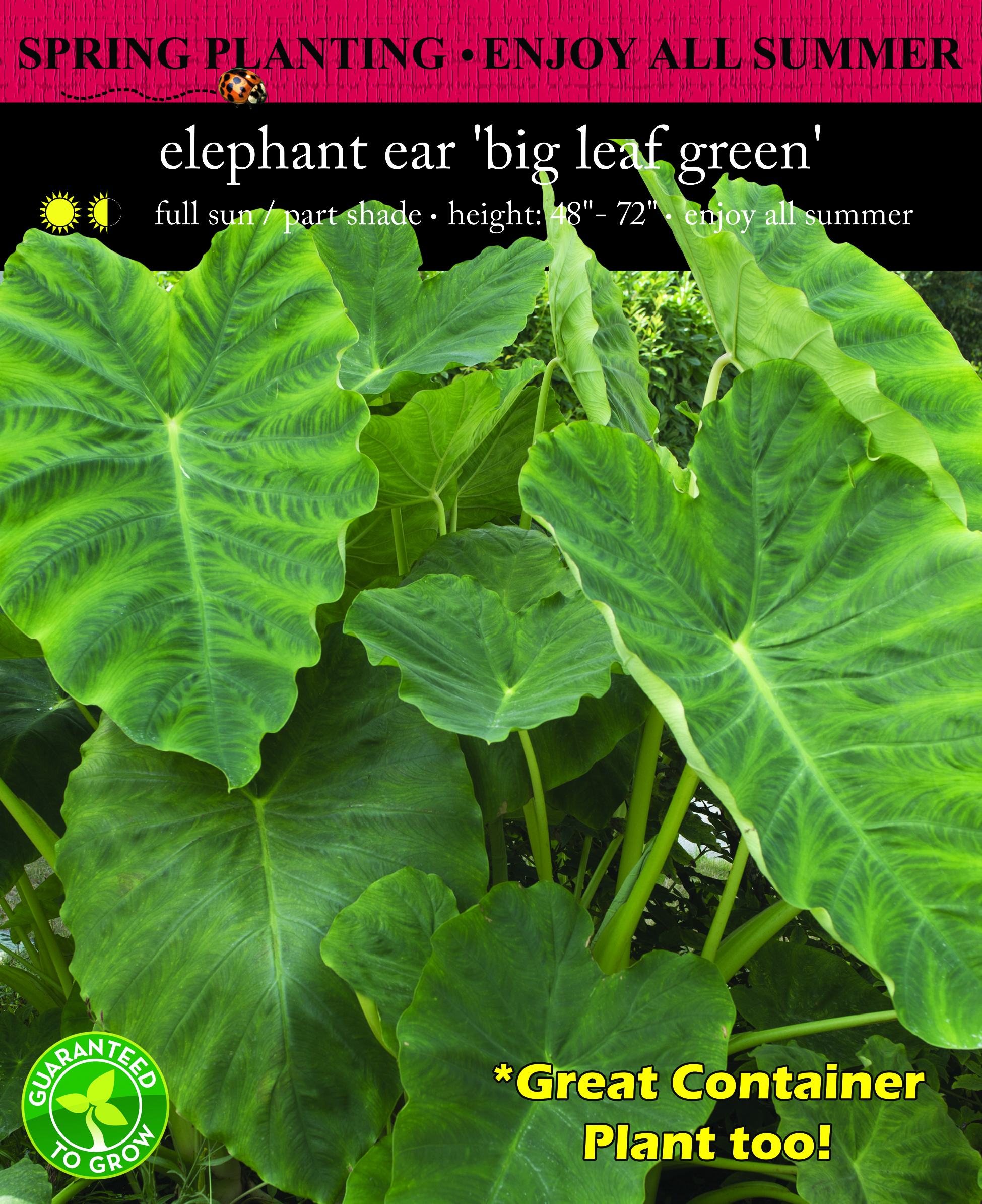
Elephant Ear Big Leaf Green Euroblooms
Web The Elephant Ear plant is an herbaceous perennial plant native to tropical and subtropical regions of Asia and Africa.

. Exercise caution because the stems and leaves of this rare plant are poisonous and can also cause skin irritation. Up to 8 ft. Do elephant ear plants require a lot of water.
Spread depends on species and variety Sun Exposure. Soon youll know how to plant elephant ears and grow them indoors or outdoors. Web Elephants Ear Alocasia is a common outdoor garden plant and container plant for indoors.
They suck sap from the plant and excrete honeydew leading to. Poisoning may occur if you eat parts of this plant. However unlike many plants that produce berries and seeds that are toxic for mammals but safe for birds the fruit and seeds of Elephant Ear plants are unsafe for avian consumption.
Plus learn how to propagate this variety and troubleshoot any concerns like leaf yellowing. Many people experience severe skin irritation from contact with Elephant Ears leaves. Web Alocasia elephants ear African mask plant.
Enterolobium cyclocarpum commonly known as conacaste guanacaste caro caro devils ear tree monkey-ear tree or elephant-ear tree is a species of flowering tree in the family Fabaceae that is native to tropical regions of the Americas from central Mexico south to northern Brazil Roraima and. Rinsing out your mouth to remove all plant material will stop your reaction to it from worsening. Its striking alongside ponds where its massive leaves create beautiful reflections in the water.
If it comes in contact with your skin the sap can cause severe irritation. Acidic Neutral Bloom Time. This article is for information only.
Perennial Herbaceous Mature Size. Elephant ears are tropical plants and need a lot of water to live. It is related to the common potato but it is grown as a food crop in many parts of the world.
Description Very large rippled heart-shaped leaves grow in bunches on tall stalks. All parts of the Elephants Ear plant are considered toxic. Get tips for helping this tropical plant thrive indoors.
Although elephant ears are not as toxic as Dieffenbachia its a good idea to be careful especially if you have young children or pets. Planting elephant ear bulbs indoors approximately eight weeks prior to the last frost date is also acceptable. The leaves and stems are the most toxic parts of the plants.
Loose well-draining potting mix or crumbly loam. 1-2 Exposure to juice or sap from these plants or a puncture wound from the thorns may produce a skin rash or irritation. DO NOT use it to treat or manage an actual poison exposure.
Elephant ear Alocasia spp plant makes a statement in a brightly lit room with its huge leaves. Rinsing your skin with warm water then lathering it with gentle soap and rinsing once more will help. Web Learn how to grow and care for an elephant ear plant according to gardening experts.
It is grown as an ornamental plant for its large heart-shaped leaves. Web Elephant Ear Plant Safety. While rarely fatal it.
Web Crank up the indoor drama by growing this big-leaf plant in your home. Avoid exposing it to temperatures below 55F 13C as it can damage the plant. Mealybugs are small white cottony insects that can infest the leaves and stems of Black Elephant Ear.
Below we describe its appearance location in the plant composition and toxicity. For best results dig in compost or well aged manure to the soil. Elephants ear is cold-hardy in USDA zones 1011.
Web Elephant ear plants are indoor or outdoor plants with very large arrow-shaped leaves. Moist but Well-drained Soil pH. It is also somewhat sticky in texture.
Bright indirect light indoors. This plant prefers warm temperatures between 65-85F 18-29C. The sap in the leaves and stems of elephant ears contains calcium oxalate crystals.
Harden off elephant ear plants for about a week prior to placing them outdoors. Web Elephant ear plants are indoor or outdoor plants with very large arrow-shaped leaves. Elephant Ears grow best in moist even boggy soil away from harsh direct sunlight and strong cross winds.
Mix in plenty of organic matter such as chopped leaves peat or composted manure. Dig a hole 2 to 4 times the size of the corm tuber you are planting. The plant gets its common name from the shape of the enormous leaves.
Chinese hibiscus and mandevillea but they also provide wonderful textural contrast with more typical temperate bedding plants ferns or ornamental grasses. Web Elephant ear Type Outdoor plant Toxicity. Web The elephant ear plant is sensitive to extreme temperatures and even slight drafts.
If growing in pots use a rich organic potting soil and plant them at the same depth. DO NOT use it to treat or manage an actual poison exposure. Pair dark-leaved varieties with any white yellow or orange-flowering plant for vivid contrast.
Read on to discover the popular types of elephant ear plants as well as the growing conditions they need to thrive. An excellent plant for a shaded porch or patio it thrives when planted in large containers. Greenish White Hardiness Zones.
Web Choose a Place for your corms. The plant is also known as a taro plant or dasheen. Web Plant the tubers about 2 to 3 inches 5-8 cm deep blunt end down.
Partial Shade Soil Type. Web Elephant ears prefer moist rich fertile soil. They prefer loamy soil but can tolerate other types.
Web Elephant ear sap is a liquid thats produced by elephant ear plants. Web Elephant ears combine well with caladiums. Elephant ear sap is most often a milky white latex-like substance.
8-13 USDA depends on. They share how to grow these plants outdoors or indoors in containers. Even exposure as simple as touching them can cause skin irritation and itching and blisters and if you get the plant.
Colocasia do well in wet soils during the growing season and can grow on the margin of ponds. Removing the irritants the elephant ear plant leaves behind will alleviate the reaction you experience. Web Elephants ear American Taro Botanical Name.
However it can also be clear in some species. Web Elephants ear grows wherever theres moist soil and warm temperatures. Web Elephant ears can be grown as houseplants but also as large outdoor plants in warmer weather.
Therefore it is important to maintain a consistent temperature between 60 and 80 degrees Fahrenheit. Ingestion of Elephants Ear can. Ingestion may cause minor symptoms such as rash vomiting or diarrhea.
This article is for information only. Web Yes the flowers seeds and all parts of the plant are potentially toxic to people pets and even wild birds. Poisoning may occur if you eat parts of this plant.

Elephant Ear Colocasia Esculenta In The Elephant Ears Colocasia Database Garden Org
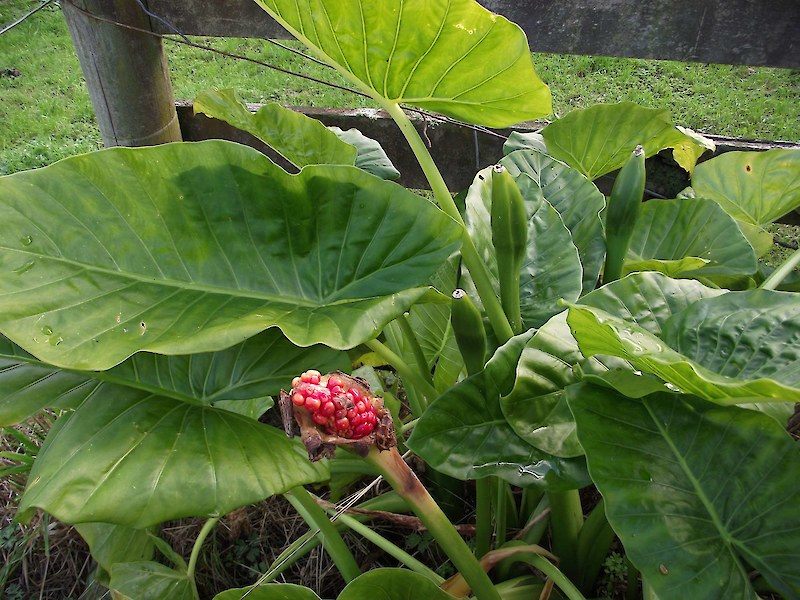
Elephant Ear Weedbusters
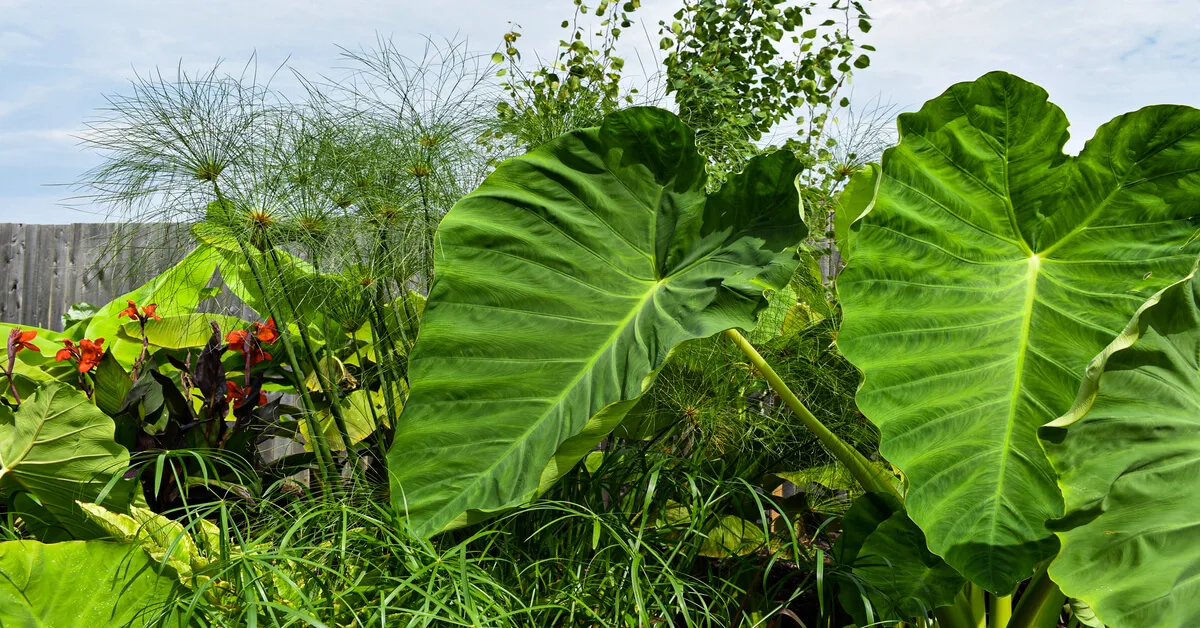
Elephant Ear Sap Safety Treatment Giy Plants

18 Scariest Plants In The World Kickassfacts Com

Elephant Ears Plant How To Grow The Colocasia

Elephant Ear Plants Sap Tiktok Search
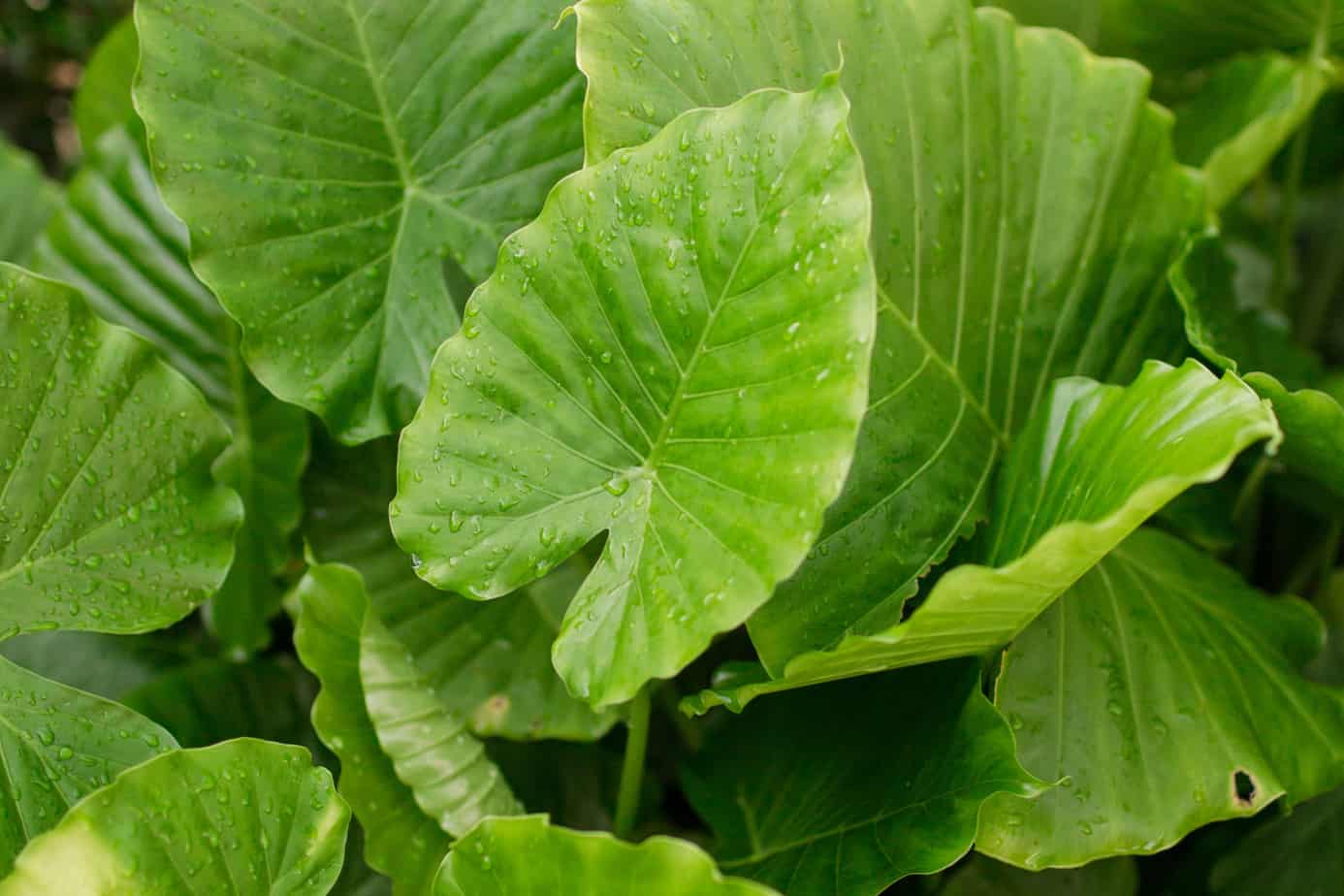
Colocasia Elephant Ear Plant Care Varieties Plantly

Colocasia Esculenta Mojito Mojito Elephant Ear Plant Lust
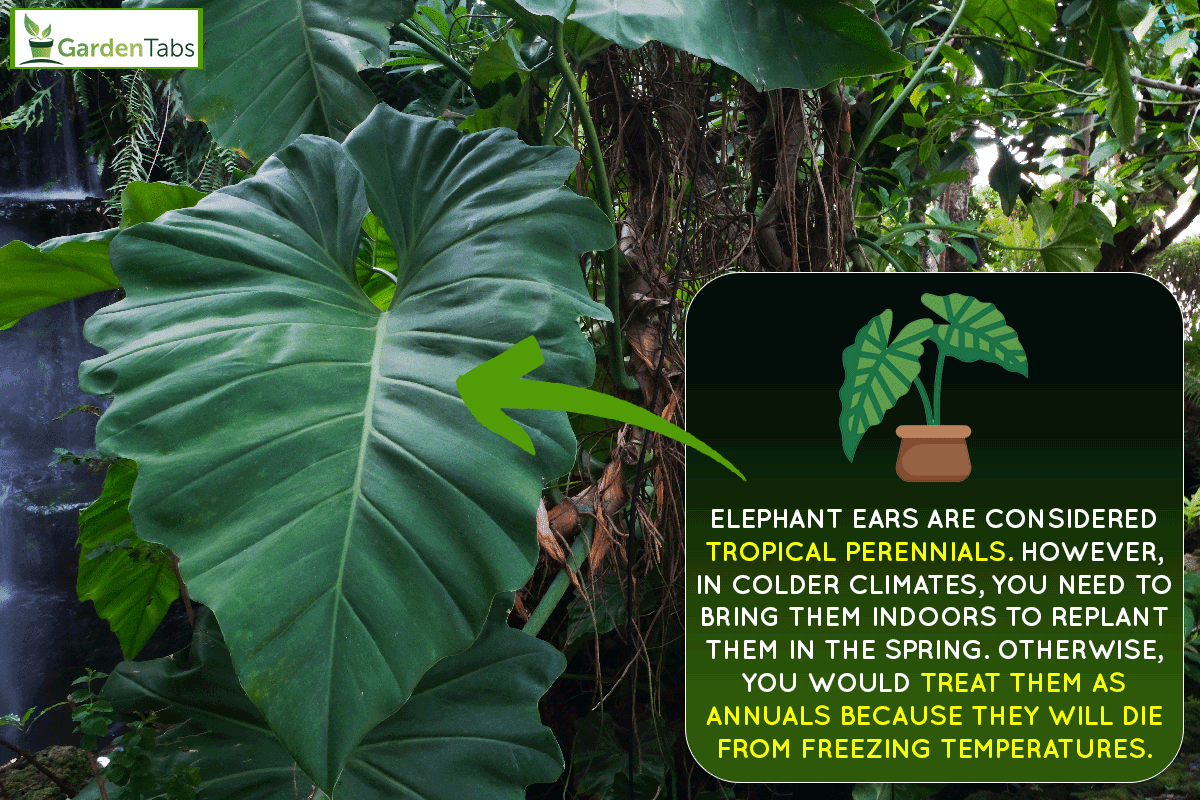
Are Elephant Ears Annuals Or Perennials
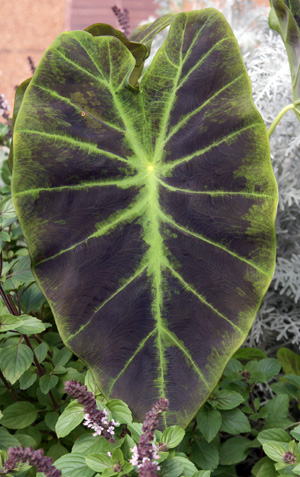
Elephant Ears Colocasia Alocasia And Xanthosoma Wisconsin Horticulture

Elephant Ear Sap Burn Tiktok Search
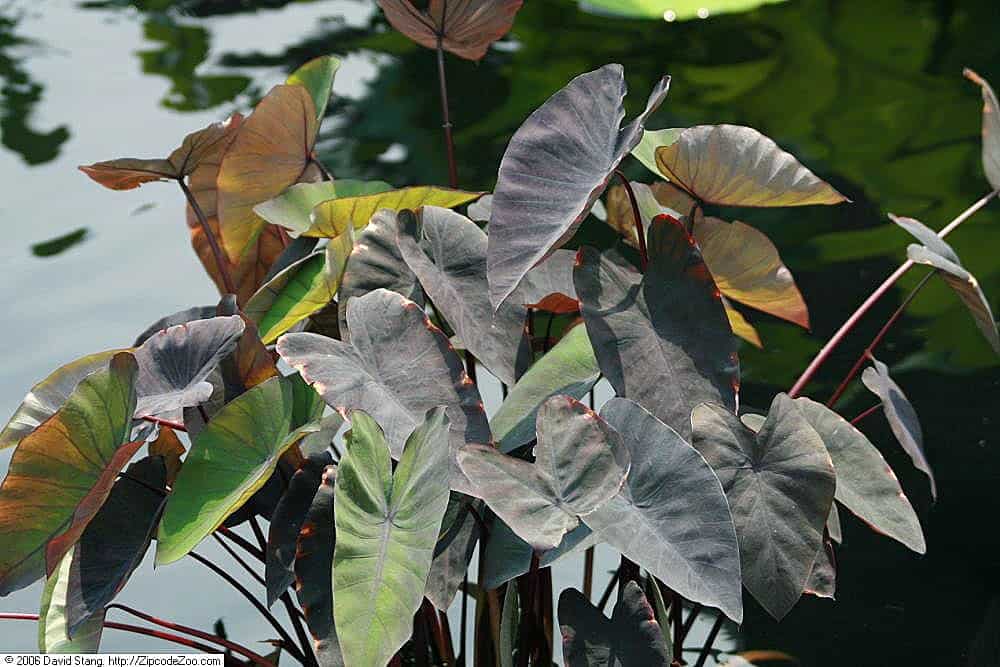
Colocasia Elephant Ear Plant Care Varieties Plantly
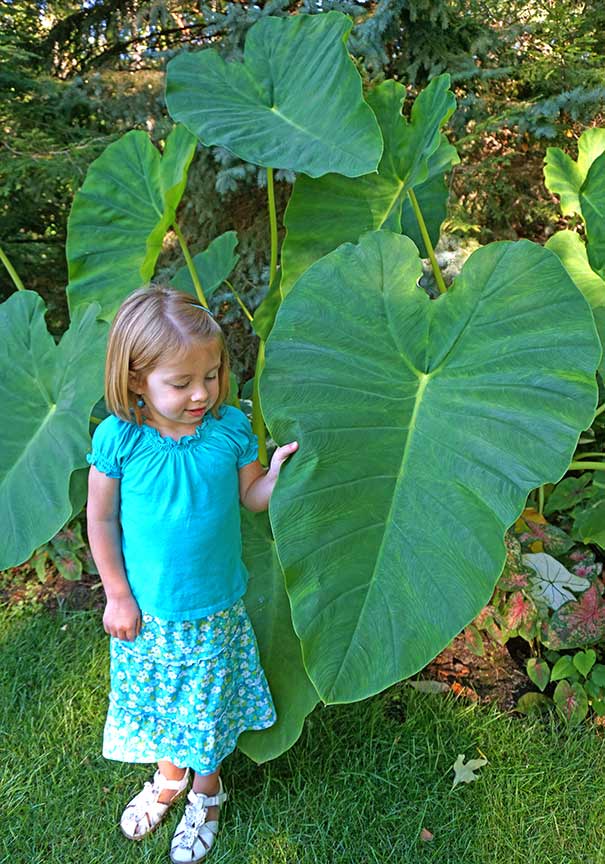
Elephant Ears 7 9 Degroot
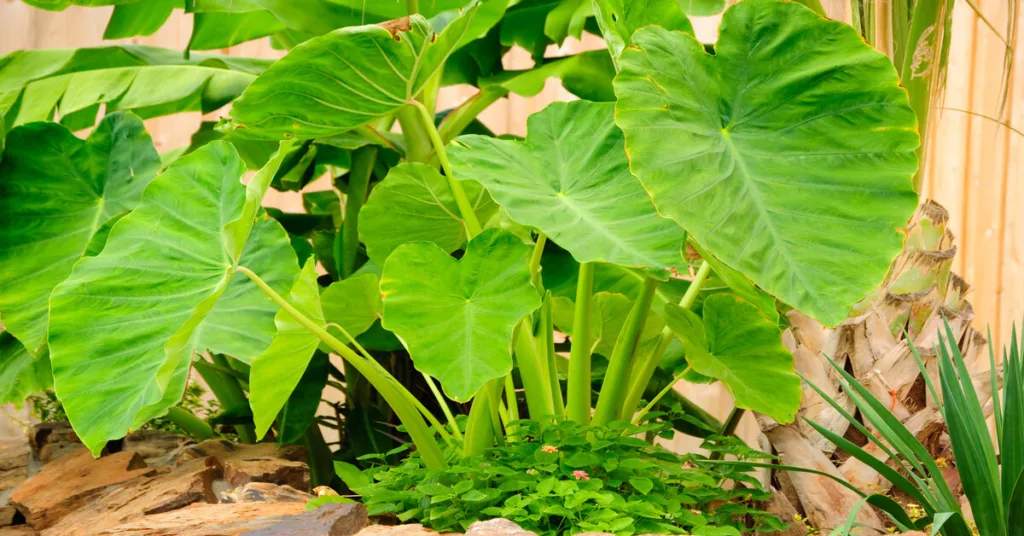
Elephant Ear Sap Safety Treatment Giy Plants

1 3 Large Elephant Ear Bulb Large Tropical Leaf Plant Edoe Taro Corm Fast Grow Ebay
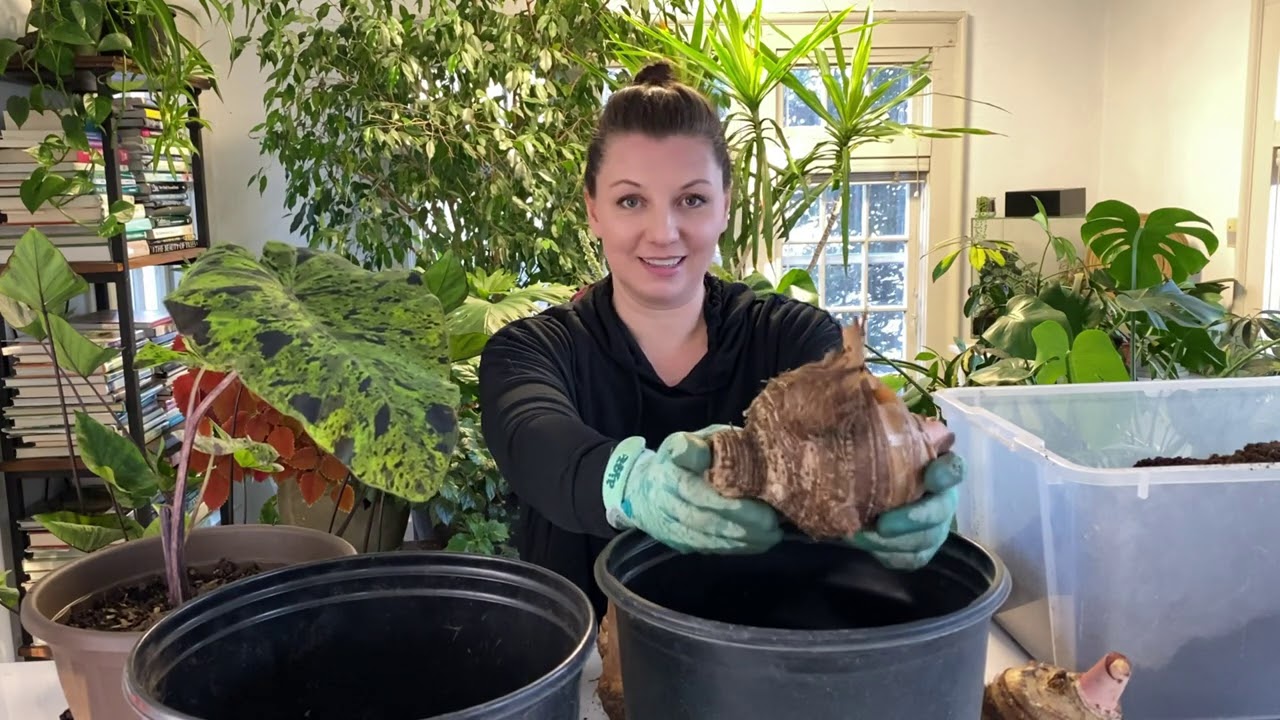
13 Elephant Ear Companion Plants To Grow And What To Avoid

G M J K Enterprise 3 Nos Of Black Elephant Ear Live Plant With Bulb Black Arv Plant Rare Taro Live Plant Alocasia Dussii Dammer Big Diper Plant Colocasia Esculenta Tubers For Growing In Polybeg Amazon In